September 8, 2026
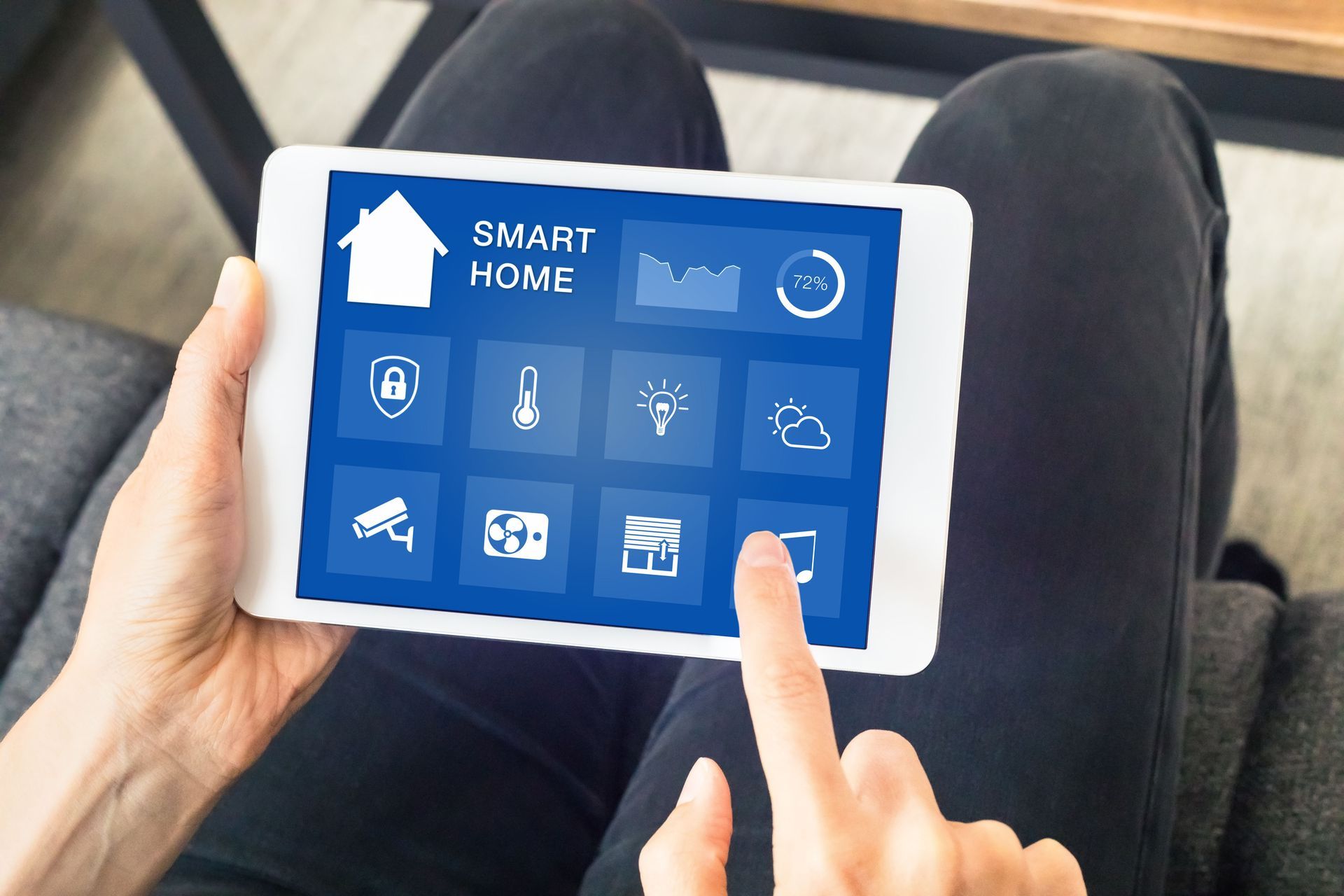
Modern living demands efficiency and seamless integration of technology into domestic spaces. The rapid evolution of internet-connected devices transforms standard residences into responsive environments. Daily chores, which required constant manual intervention in the past, now operate in the background. Embracing smart home automation shifts the paradigm of household management. Families find their routines simplified through intuitive networks. Routine tasks become effortless when devices communicate.
Technology continues to advance at a brisk pace, bringing unprecedented convenience to everyday life. Sensors, voice assistants, and programmable hubs work together to anticipate household needs. Lights activate upon entering a room, while coffee makers initiate brewing upon waking. These interconnected networks elevate domestic comfort and redefine how inhabitants interact with their environment. Adapting to these systems requires minimal effort, yet the resulting convenience feels profound. The upcoming sections explore how a residence benefits from interconnected devices.
Elevating Daily Life Through Intelligent Lighting
Lighting forms the foundation of domestic ambiance. Integrating smart home automation into lighting systems removes the need to flip physical switches. Connected bulbs adjust brightness and color temperature based on the time of day. Morning routines benefit from gradual illumination that mimics sunrise, easing the transition to wakefulness. Evening atmospheres shift toward warmer hues, signaling the brain to prepare for rest.
Occupancy sensors enhance these setups by detecting motion within a space. Rooms remain illuminated solely when occupied, eliminating wasted energy from forgotten lights. Walking down a hallway in the dark triggers a soft glow, guiding the path without blinding glare. When inhabitants leave the room, the system detects the absence and shuts off the fixtures. This automated response reduces utility expenses.
Voice control adds an extra layer of convenience. Preparing dinner or carrying groceries occupies hands, making physical switches cumbersome. Spoken commands dictate the environment, allowing users to brighten the kitchen or dim the dining area without physical effort. The network processes the request in real time and executes the command. Managing the interior climate and illumination becomes a seamless experience.
Scheduling features allow homeowners to set recurring patterns for their fixtures. Exterior lights can illuminate at sunset and extinguish at dawn without daily input. Vacation modes simulate occupancy by turning various fixtures on and off, deterring potential intruders. Customizing these schedules requires simple taps on a smartphone application. The lighting network then operates independently of further attention.
Streamlining Routine Tasks With Connected Appliances
Kitchens and utility rooms house the most labor-intensive machines in a residence. Applying smart home automation to these appliances revolutionizes domestic chores. Modern refrigerators monitor their contents, alerting users when grocery staples run low. Ovens can be preheated from afar, ensuring dinner preparations begin before the homeowner arrives. These interconnected tools remove the guesswork from meal planning and preparation.
Cleaning routines experience similar upgrades through connected devices. Robotic vacuums navigate floor plans, mapping out efficient cleaning paths. These machines initiate their cycles while the house is empty, returning to their charging stations upon completion. Users return to spotless floors without expending manual labor. Dishwashers and washing machines determine optimal cycles based on load size. Domestic maintenance happens in the background.
The economic impact of these technologies continues to grow as global adoption increases. According to Statista, global revenue for the smart home market is expected to surpass $230 billion by 2028, due to more people using connected devices and IoT technology. This surge reflects the immense value consumers place on convenience. Manufacturers continue to refine appliance capabilities to anticipate user habits.
Coffee machines represent a prime example of morning routine simplification. Users program their preferred brew strength and time before going to sleep. The machine begins the extraction process moments before the alarm rings. Waking up to the aroma of fresh coffee sets a positive tone for the day. Appliances transition from static tools into active participants in household management.
Enhancing Household Security With Integrated Systems
Protecting the residence remains a top priority for families. Incorporating smart home automation into security protocols provides unprecedented awareness and control. Traditional alarm systems required manual arming at control panels. Contemporary setups integrate with mobile devices to offer remote access and instant notifications. Sensors on doors and windows communicate with the main hub, alerting homeowners of any unauthorized entry.
Video doorbells serve as the frontline defense for modern properties. These devices capture high-definition footage of visitors and deliver live feeds to smartphones. Users can converse with delivery personnel or guests from any location. Motion detection algorithms differentiate between passing vehicles, animals, and humans, reducing false alarms. Packages left on the porch remain under constant surveillance, bringing profound peace of mind.
Automated locks eliminate the need for physical keys, which are prone to loss or duplication. Homeowners assign unique digital codes to family members, guests, or maintenance workers. The system logs each entry, providing a complete record of who accessed the property. If a door remains unlocked after a certain period, the mechanism secures it without intervention. Geofencing technology provides an additional layer of protection.
Smoke and carbon monoxide detectors connect to the same central network. Upon detecting danger, these alarms sound an audible warning while sending alerts to mobile devices. In an emergency, the system can flash the interior lights to guide occupants toward exits. It can also shut down the heating system to prevent the circulation of smoke. Such synchronized responses mitigate risks.
Optimizing Energy Usage Through Automated Climate
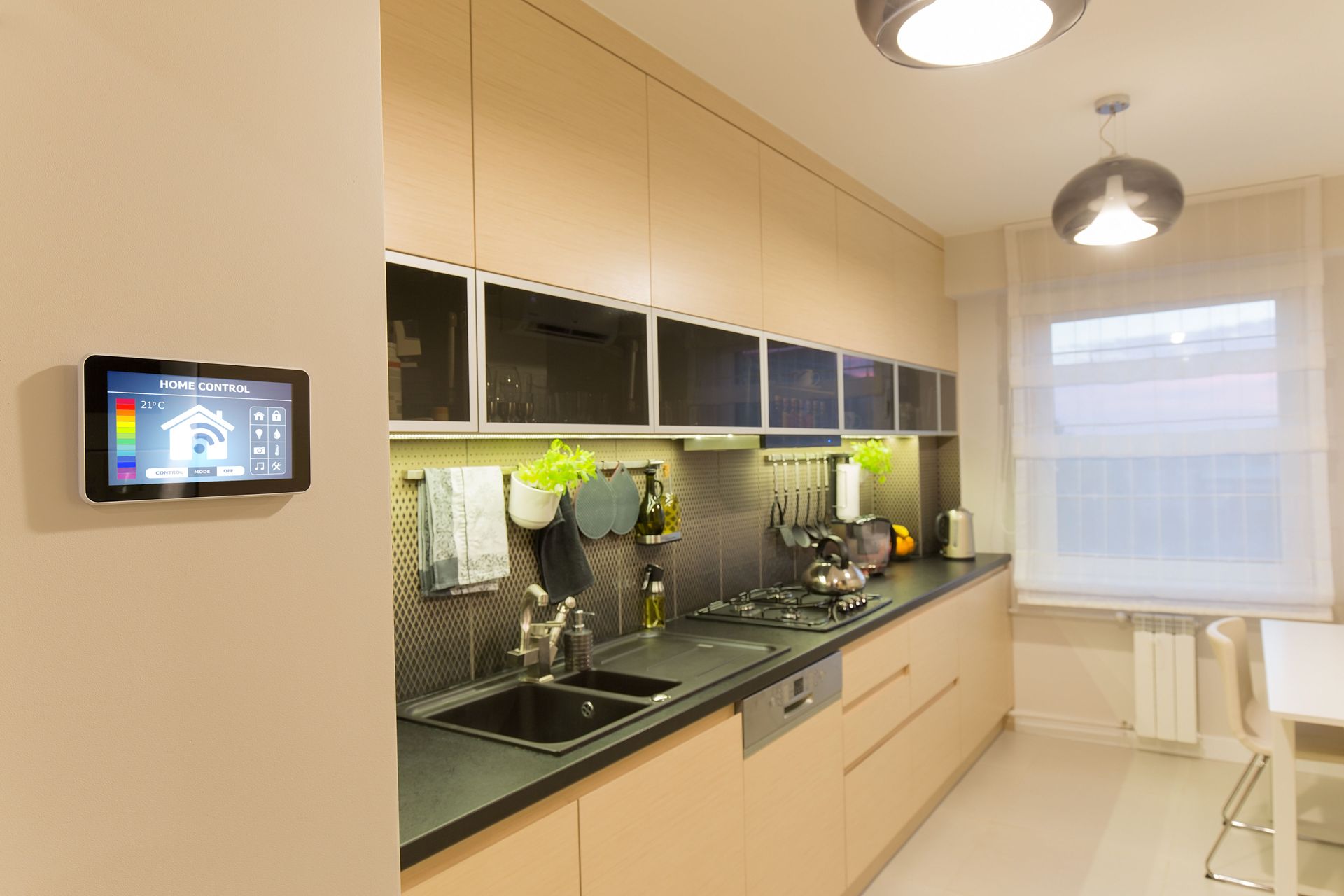
Maintaining a comfortable interior temperature requires a delicate balance of heating and cooling resources. Utilizing smart home automation for climate control achieves this balance while reducing energy waste. Connected thermostats learn the specific preferences of the household over time. They observe when occupants depart for work and when they return, adjusting the climate to match. Empty houses do not require excessive climate control.
These intelligent devices adapt to external weather conditions. If a cold front approaches, the system warms the interior early to maintain comfort. Conversely, sudden heat waves trigger the air conditioning before the indoor temperature becomes unbearable. By operating with foresight rather than reaction, the HVAC system runs in an efficient manner. Users enjoy a perfect environment without adjusting the dial. Comfort becomes an automatic feature.
Zoned climate control offers a distinct level of optimization for large properties. Sensors placed in various rooms monitor individual temperatures and communicate back to the main unit. The system directs airflow exclusively to the spaces that need it. Sun-drenched living rooms receive extra cooling, while shaded bedrooms remain untouched. This targeted approach prevents overworking the machinery and extends equipment lifespan.
Integration with motorized window treatments further enhances temperature regulation. Blinds lower on their own during peak sunlight hours to block heat gain. During colder months, they open to harness solar warmth. This synergy between the HVAC system and the window coverings minimizes reliance on artificial climate control. Homeowners observe significant reductions in utility bills without sacrificing personal comfort.
The integration of connected devices creates an environment where technology serves the specific needs of the household. Routine chores, energy management, and property security no longer demand constant manual oversight. Residents reclaim their time, allowing them to engage in pursuits that bring joy and fulfillment. Implementing smart home automation streamlines the complexities of modern living, offering a glimpse into the future of domestic design.
As technological advancements continue to shape the domestic landscape, the capabilities of these systems will expand. Interconnected appliances, intuitive lighting, and intelligent security protocols work in harmony to elevate the human experience. Adopting these innovations ensures that the residence remains a place of comfort, safety, and unparalleled efficiency. We at Westfair TV Audio are ready to help you seamlessly integrate technology into your living space. Contact us today to start designing a smart home automation system that perfectly fits your lifestyle.